Agent workflows · 2026-09-22
Research tasks with Gemini Spark: why source verification is critical
Unlike account actions like Gmail and Calendar, this covers how to verify the source of information Spark gathers in a research task, and what boundaries you should set.
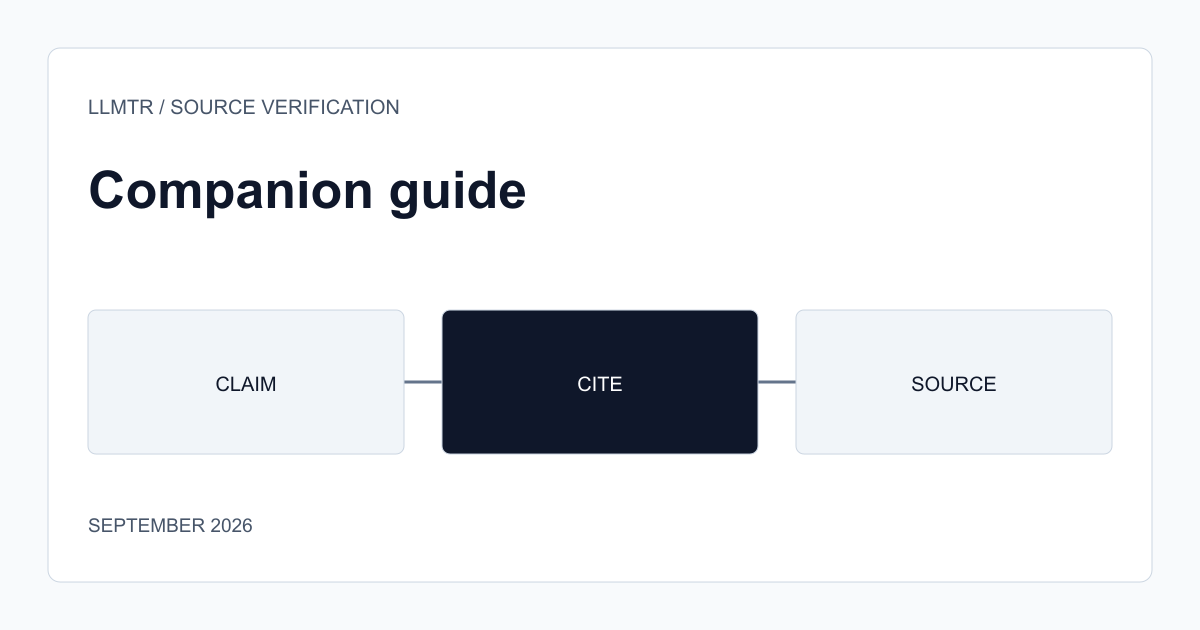
A research task carries a different risk than an account action
The task type covered in the Gemini Spark for Gmail and Calendar article makes a change to your account (an email draft, a calendar entry); the risk in those tasks is an incorrect or unwanted action happening. A research task doesn't change your account; instead it gathers and summarizes information from the web or sources you specify, and the risk here is different: the gathered information being wrong, outdated, or misinterpreted.
This difference calls for a different trust check for the two task types. An account action foregrounds an approval mechanism; a research task foregrounds source verification.
A summary should be traceable back to its source
If a research task's output is just a summary text, verifying where a claim in that summary came from is hard. A good research task presents every important claim with a citation to its source; this lets the user check a critical claim against its source instead of blindly accepting the summary.
A summary without source citations should not be treated as sufficient on its own, especially in research meant to inform a decision (a competitor analysis or a regulatory summary, for example); you need to confirm at least a few of the most critical points against the original source starting from the summary.
- Check whether every important claim carries a citation to its source.
- Confirm a decision-informing summary against the original source for at least a few critical points.
- Don't treat a summary without source citations as sufficient evidence on its own.
Defining the task's scope clearly reduces misunderstanding
If it's unclear how current the information a research task covers is, or which source types it can scan (the open web, or only documents you specified), the risk of a wrong assumption about the result's scope rises. Stating the source scope explicitly when defining the task both makes the task work more accurately and helps the result get interpreted correctly.
Frequently asked questions
Does Spark's research task always provide current information?
Not guaranteed; how current the information is depends on the sources it scans and when the task ran. On a time-sensitive topic, you need to separately confirm the result against a real-time source.
Should I never trust a summary without source citations?
It can be acceptable for a low-risk use with little decision impact. But for research that will form the basis of a decision, trusting the summary without confirming at least the critical points against the original source is risky.