Integration guides · 2026-06-22
How to write a UNIDES project: 2026 application preparation guide
Learn how to write a UNIDES project through objectives, target audience, activity plan, budget rationale, measurable outcomes, risks, and sustainability.
What is the current UNIDES status in 2026?
Sixth-round UNIDES applications ran from December 2, 2025 to February 11, 2026, and results were announced on March 5, 2026. Official data records 6,659 applications from all 81 provinces and 1,378 supported projects.
This article is not an announcement of an active call. It is a preparation guide for university student communities targeting the next round. Dates, guidance, and funding limits must be rechecked against the next official publication.
- Sixth-round applications: December 2, 2025–February 11, 2026.
- Results date: March 5, 2026.
- Applications: 6,659; supported projects: 1,378.
- Do not assume future dates before an official call.
Move from a verified need to a measurable objective
A strong UNIDES application starts with a verifiable need rather than a predetermined solution. Define the audience, the problem it faces, and why the current situation is insufficient using interviews, surveys, or available records.
The objective should describe a measurable change for a defined student group within a clear period. If AI is involved, focus on the benefit for young people rather than the name of a model or application.
- Define the audience by size, field, year, or need.
- Validate the problem through interviews, a survey, or records.
- Connect every activity directly to the objective.
- Set baseline and target values for success.
Align activities, budget, risk, and sustainability
The activity plan should connect preparation, technical development, pilot use, training, measurement, and dissemination as work packages with owners, dates, and outputs.
The 2025–2026 round offered up to TRY 75,000 for local and TRY 125,000 for national projects. These limits are not guaranteed for a future call. Build the budget against the new guidance and justify every cost through an activity and measurable output.
- Separate technical work from participant activities.
- Estimate API, hosting, and training from expected usage.
- Plan controls for data, participation, and schedule risks.
- Explain who maintains code and materials after the project.
LLMTR support for application preparation
LLMTR can support idea refinement, application review, AI use-case design, model and API selection, cost estimation, and prototype planning. The official authority makes the final eligibility decision, so this support does not guarantee approval.
Send your university, student community, project idea, audience, expected schedule, and technical needs to info@llmtr.com. Do not send portal passwords, API keys, identity documents, or unnecessary personal data; the community remains responsible for the official submission.
Steps for preparing a UNIDES project application
A process for turning a verified need into a measurable and feasible UNIDES application.
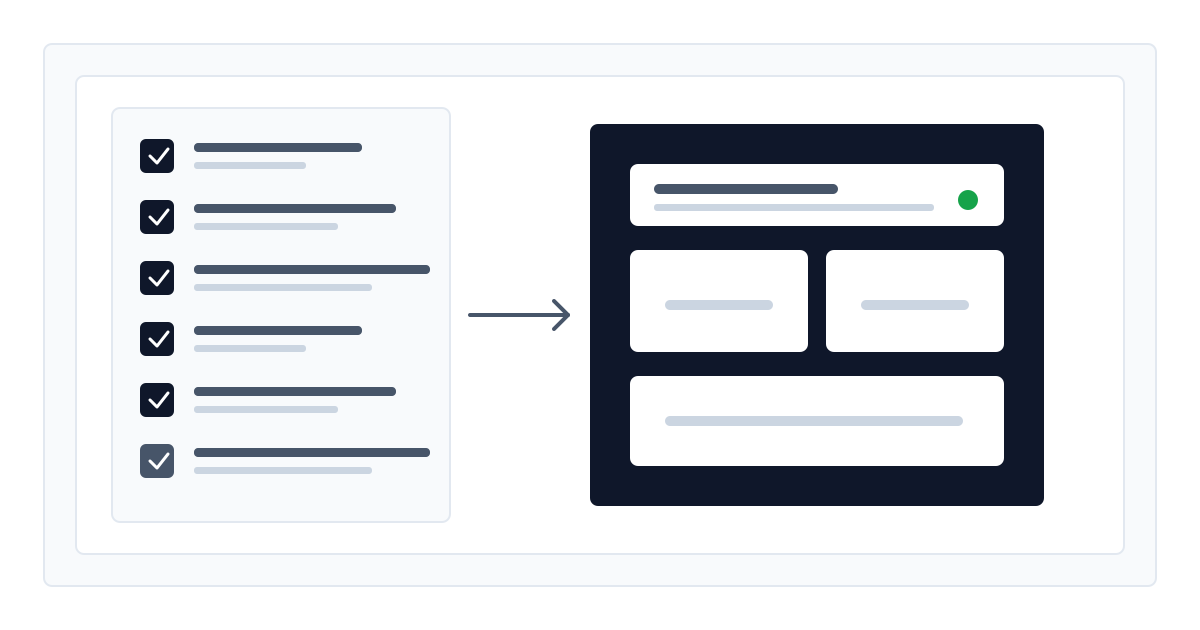
- Validate the need. Use interviews or a short survey to demonstrate the problem faced by the target audience.
- Write a measurable objective. Define the period, audience, and expected change in one objective statement.
- Plan activities. Assign owners and dates to preparation, development, pilot, training, and measurement.
- Justify the budget. Connect every cost to usage, an activity, and an expected output.
- Document risk and security. Specify controls for data, participation, cost, and technical delays.
- Run an independent review. Ask someone outside the application team to verify consistency across objectives, activities, budget, and measurement.
Frequently asked questions
Are the next UNIDES 2026 application dates available?
The sixth round ended on February 11, 2026 and its results were announced on March 5. Dates for a future call must be confirmed after an official publication.
Can LLMTR submit a UNIDES application for us?
LLMTR can help with the idea, text, architecture, API, and prototype; portal access, document accuracy, and final submission remain with the student community and university.