Integration guides · 2026-06-22
UNIDES AI integration: LLMTR support from application to working prototype
Learn the application, architecture, model and API selection, prototype, data protection, security, cost, and LLMTR support flow for a UNIDES AI integration.
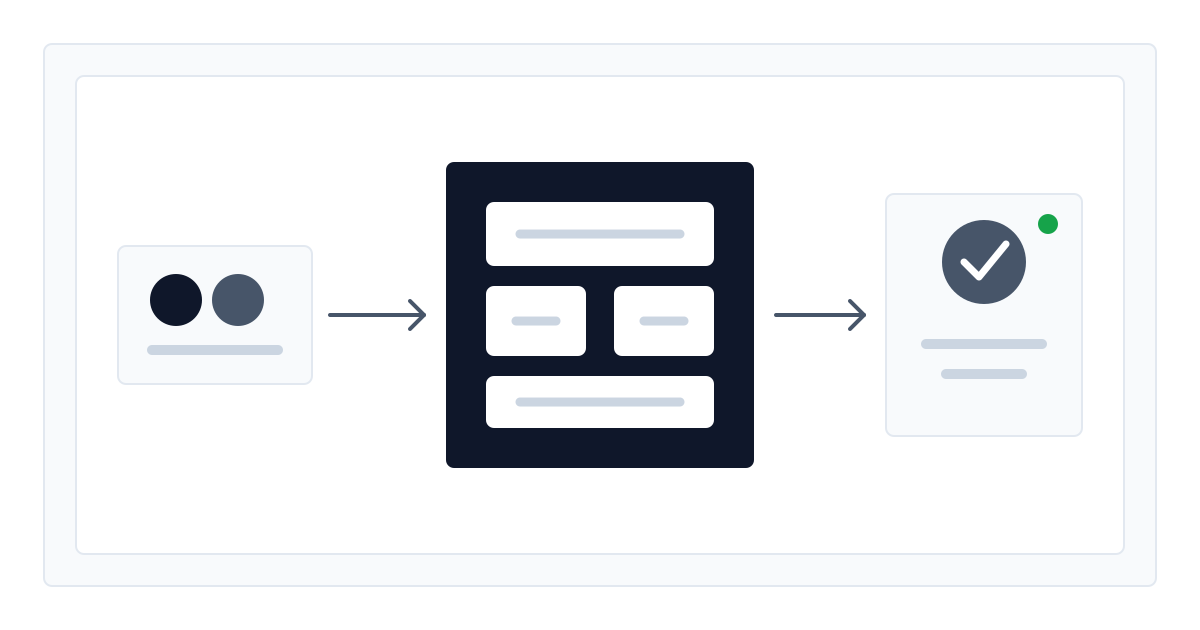
The application and architecture must tell the same story
There should be no gap between the outcome promised in the application and the prototype the technical team can deliver. Design the target flow, data, model task, human approval, and success metric together while preparing the application.
A campus information assistant is more than a chat screen. The scope includes how approved sources are ingested, how wrong answers are reported, how personal data is protected, and which questions are escalated to a person.
- Define one core user flow.
- Connect every AI call to a measurable output.
- Name the owner of each data source and update process.
- Document cases where the model must not answer.
Model, API, and prototype architecture
LLMTR's OpenAI-compatible API lets student teams compare models with the same client structure. Evaluate chat, RAG, vision, and tool-calling needs separately and choose only models that support the required operations.
Keep the API key on the server. The client calls the community backend, which manages authorization, rate limits, data cleaning, and the model call. For RAG, index only approved documents and display sources in answers.
- Compare models by task, Turkish quality, latency, and cost.
- Do not put API keys in frontend or mobile bundles.
- Manage RAG sources with versions and permissions.
- Grant minimum permissions to every tool call.
Data protection, cost, and operations
Prefer anonymous use when the prototype does not require personal data. Otherwise define purpose, minimum data, access roles, retention, and deletion. The default should be to keep identity, health, contact, and education records out of prompts and model responses.
Estimate cost from model unit price, expected requests, average input/output tokens, embedding or vision work, and hosting. LLMTR does not change model prices; the platform margin applies to credit top-up rather than the model unit price.
- Set rate limits per user and community.
- Define monthly request and token budgets.
- Plan fallback for errors, provider outages, and budget overruns.
- Measure quality, latency, cost, and security events during the pilot.
LLMTR support process and contact
Support may include needs analysis, technical review of the application, architecture, model shortlist, API access, integration examples, prototype planning, security checks, and cost estimates. Scope is evaluated against the team and schedule; official eligibility or approval is not guaranteed.
Write to info@llmtr.com with your university, student community, idea, audience, expected schedule, and current technical team. Do not send portal passwords, identity documents, production API keys, or sensitive student data.
Steps for building a UNIDES AI prototype
A flow for turning an application objective into a secure, measurable, and budgeted LLM API prototype.
- Constrain the user flow. Define one core pilot problem, audience, and success metric.
- Classify the data. Document approved sources, personal-data risks, retention, and access roles.
- Shortlist models. Select two or three models by task, Turkish quality, capabilities, latency, and price.
- Build a secure API layer. Keep keys on the server and add authentication, rate limits, and input validation.
- Measure the pilot. Compare accuracy, source use, latency, tokens, and cost on the same evaluation set.
- Complete the operating plan. Define human approval, fallback, budget alerts, content updates, and post-project ownership.
Frequently asked questions
At which stages can LLMTR support a UNIDES project?
Scope can be evaluated for needs and idea refinement, application review, architecture, model/API selection, prototype planning, security, and cost estimation.
Must a UNIDES prototype depend on one model?
No. An OpenAI-compatible gateway lets the same flow be measured across models so a primary and fallback can be chosen by task, quality, latency, and cost.