RAG and data · 2026-06-02
How to measure ChatGPT referral traffic, including Gemini and Perplexity
Plan ChatGPT Gemini Perplexity referral traffic measurement with AI chatbot citations, GA4, server logs, Search Console, and LLMTR conversion tracking.
What AI chatbot referral traffic means
ChatGPT referral traffic happens when a user clicks a source link in a ChatGPT answer and lands on an LLMTR page. Gemini, Perplexity, and other AI answer surfaces can also send referral or citation-driven visits.
For an API product like LLMTR, the important questions are which page users landed on and whether they moved toward docs, signup, or API key creation.
- Source domain: chatgpt.com, perplexity.ai, gemini.google.com, or similar referrers.
- Landing page: blog, docs, model, pricing, or gateway page.
- Next action: model view, docs visit, signup, API key, or billing.
- Quality: bounce, read time, and conversion rate.
Read GA4 and server logs together
GA4 referral reports are a useful starting point for AI sources, but some AI surfaces may send missing or inconsistent referrer data.
Search Console includes Google AI features within web search performance data. It may not always separate AI Mode or AI Overviews clicks as their own channel.
- Build a GA4 referral source and landing page report.
- Store referrer and user-agent fields in server logs.
- Do not mix bot visits with human clicks.
- Connect conversion events to product steps after the blog visit.
Citation and referral are not the same metric
A link appearing in an AI answer is a citation signal. The user clicking that link is referral traffic. Referral usually requires citation, but citation does not always produce a click.
A blog post may serve as a source in an AI answer while the user gets enough from the answer and does not click.
- Citation tests are measured with manual prompt sets.
- Referral traffic is measured with analytics and logs.
- Conversion impact is measured with product funnel events.
- Short-term variation is not enough for a decision by itself.
A reporting model for LLMTR
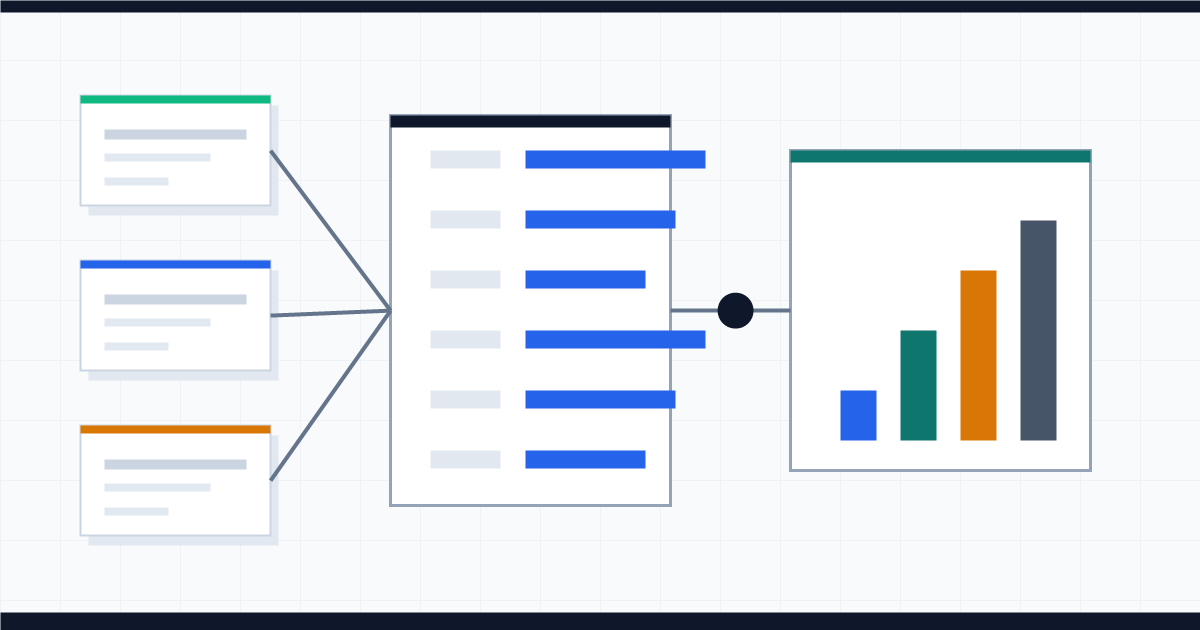
LLMTR should group AI-sourced visits by blog slug, source surface, next product action, and conversion context.
This approach measures whether new blog clusters contribute to developer activation, not only whether they were published.
- AI referral table by blog slug.
- Session and conversion by source platform.
- Click-through rate to docs and model pages.
- Signup, API key, and first-payment funnel connection.
Set up an AI chatbot referral traffic report
Measure ChatGPT, Gemini, and Perplexity citation and referral impact with GA4, logs, and product funnel events.
- List source domains. Group referrer domains for ChatGPT, Perplexity, Gemini, and other AI answer surfaces separately.
- Add landing page breakdowns. Split AI-sourced sessions by blog slug, docs path, model page, and pricing page.
- Validate with logs. Compare GA4 data with server log referrer, user-agent, status, and timestamp fields.
- Connect the funnel. Track docs transitions, signup, API key creation, and first-payment events after AI referral visits.
Frequently asked questions
How does ChatGPT referral traffic appear in GA4?
It usually appears with a referrer or source domain such as chatgpt.com. Some sessions may lack referrer data, so server logs and landing page analysis should be checked as well.
Should Gemini and Perplexity traffic be tracked separately?
Yes. Each AI surface may have different citation and click behavior. Separating platforms makes it easier to learn which content works on which surface.
If AI referral traffic is low, did the content fail?
No. Citation visibility comes before clicks. Low referral does not prove that a page is not being used as a source; evaluate it with citation tests and brand mention checks.