RAG and data · 2026-06-02
How to measure AI search visibility for LLMTR
Plan AI search visibility measurement across ChatGPT, Gemini, Perplexity, Google AI Mode, AI Overviews, source-worthiness, citation tracking, and the LLMTR blog architecture.
What AI search visibility measures
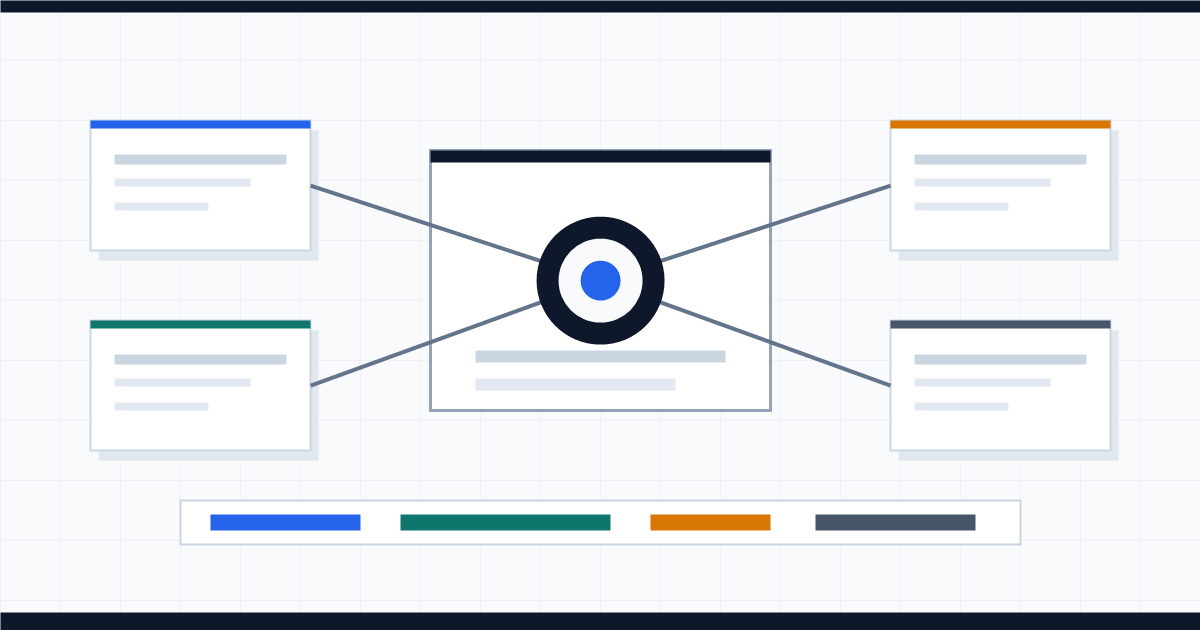
AI search visibility measures whether a brand appears as a cited source, supporting link, or comparison candidate in surfaces such as ChatGPT, Gemini, Perplexity, Google AI Mode, and AI Overviews.
For LLMTR, the practical question is which page can answer a developer's AI gateway, OpenAI-compatible API, model cost, or crawler access question clearly.
- Brand mention: LLMTR appears in an AI answer.
- Citation: an AI answer links to an LLMTR page.
- Referral: a click from an AI surface appears in analytics.
- Coverage: blog, docs, model, and pricing pages answer consistently.
A realistic approach to Google AI Mode and AI Overviews
Google Search Central says AI features do not require a special file or special schema. The fundamentals still matter: indexable HTML, clear headings, helpful content, and trustworthy internal links.
Because AI Mode can encourage longer and more decision-oriented questions, articles should give definitions, decision criteria, measurement steps, and next-step links early in the page.
- Headings should reflect questions or decisions.
- The first paragraph should answer directly.
- Related links should point to live product or documentation surfaces.
- Dates and scope boundaries should be explicit.
A manual test set for ChatGPT, Gemini, and Perplexity
AI search visibility measurement should begin with a small repeatable prompt set. Ask the same user-intent questions on each platform, then record which sources appear, whether LLMTR is mentioned, and whether links are shown.
These tests are not ranking guarantees. They are a way to find content gaps.
- What is an AI gateway and how do I choose an OpenRouter alternative?
- How do I call GPT, Claude, and Gemini through one OpenAI-compatible API?
- How should teams measure LLM API cost and credit usage?
- How should AI crawlers and llms.txt be managed for a technical product?
A measurable publishing standard for LLMTR
LLMTR blog posts should not be added as text alone. Each new slug should ship with a hero image, semantic sections, FAQ, HowTo, related posts, origin-relative links, SEO snapshot coverage, and smoke test fixtures.
That standard creates a clean baseline for later measurement of which pages AI answer systems tend to use.
- Primary keyword and publish date are fixed in tests.
- Hero PNG size and file presence are verified.
- Snapshot version is updated.
- llms.txt and bot snapshot checks are rerun.
Build an AI search visibility measurement set
Track AI answer surfaces for a technical product with a small prompt set, citation checks, and referral measurement.
- Choose the prompt set. Select 10-15 questions that represent product decisions across AI gateways, cost, security, crawler access, and integration.
- Test each platform consistently. Run the same questions on ChatGPT, Gemini, Perplexity, and Google AI Mode, then record source, brand, and competitor visibility.
- Find content gaps. For questions where LLMTR does not appear, identify missing definitions, missing comparisons, weak FAQ coverage, or disconnected internal links.
- Run publishing checks. Verify blog fixtures, snapshots, llms.txt, bot snapshots, and referral reporting in one checklist.
Frequently asked questions
Is AI search visibility the same as Google ranking?
No. Google ranking measures classic SERP visibility. AI search visibility tracks whether a brand appears as a source, citation, or named option in ChatGPT, Gemini, Perplexity, AI Mode, and AI Overviews.
How should LLMTR track AI search visibility?
Use small prompt sets, AI citation checks, referral traffic, Search Console, server logs, and blog or docs fixture tests together.
Does this guarantee traffic?
No. Public content should not claim guaranteed traffic or fixed rankings. The goal is to build current, source-worthy, measurable content.