Trust and compliance · 2026-06-02
AI crawler robots.txt and llms.txt guide: OAI-SearchBot, PerplexityBot
Manage AI crawler robots.txt decisions, the real limits of llms.txt, OAI-SearchBot, GPTBot, PerplexityBot, Google AI features, and LLMTR content access.
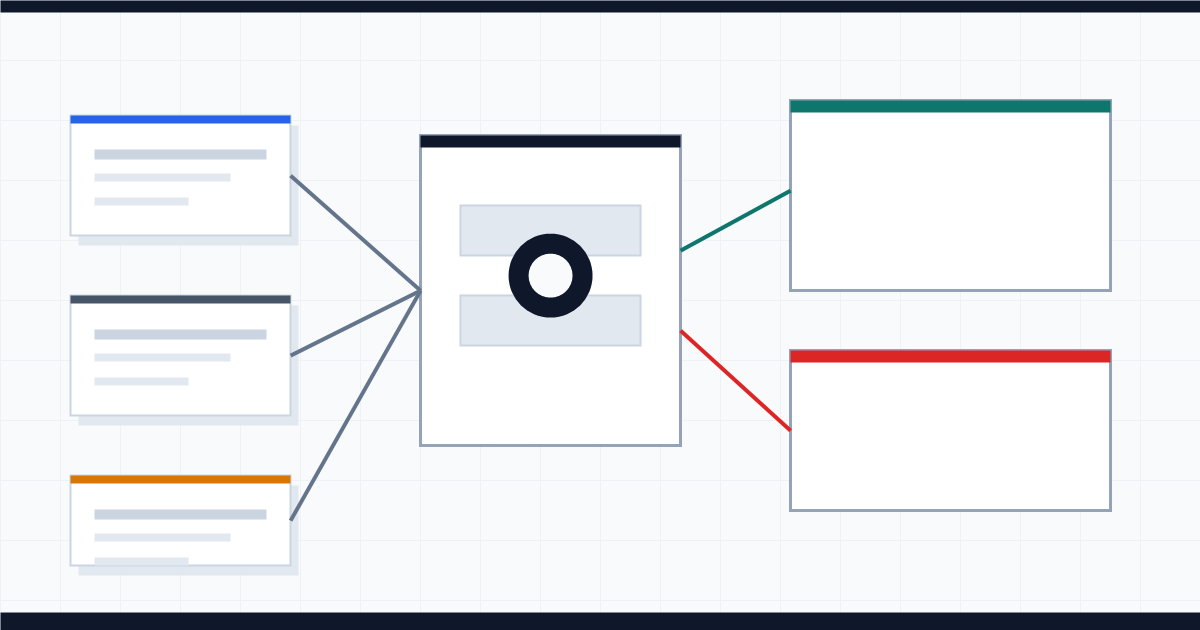
First decision for AI crawler access: search or training
The key AI crawler decision is separating content visibility in search or citation surfaces from use in model training.
For a technical product like LLMTR, public blog and docs pages may be appropriate for search or citation access. Account, API key, billing, and user data must never be exposed to public crawler surfaces.
- Public blog, docs, and model pages are candidates for search visibility.
- Dashboard, billing, API key, and user data stay closed to crawlers.
- Training and search bots should not share one policy by default.
- robots.txt changes should be monitored with Search Console and logs.
What llms.txt does and does not do
llms.txt is a practical content map that can expose important site pages in plain Markdown for LLM systems.
That means llms.txt should not be described as guaranteed visibility or a special ranking tool. For LLMTR, its proper role is a clean, current, controlled list of public docs, model catalog, blog, and policy pages.
- Use llms.txt as a technical content map.
- Do not present it as a Google AI Mode requirement.
- Keep content current and links origin-relative.
- Never include secret or user-specific data.
Policy for OAI-SearchBot, GPTBot, and PerplexityBot
Treating OAI-SearchBot as a search visibility crawler and GPTBot as a training preference creates a clearer policy.
These decisions are not one-time settings. Bot behavior, IP ranges, referrer data, and crawl frequency can change, so log-based observation and regular policy review are still needed.
- Evaluate search bots through the visibility goal.
- Evaluate training bots through data policy and licensing decisions.
- User-agent alone is not a security boundary.
- Private route security must not rely on robots.txt.
A safe publishing boundary for LLMTR
LLMTR public content can be crawler-accessible, but the system security model must enforce public and private boundaries through routes, auth, headers, cache, and data layers.
New blog posts should reinforce that boundary: public content explains user decisions, avoids excessive internal security detail, and never includes real API keys or secrets.
- No real API keys or secrets in public content.
- Internal links are origin-relative.
- Private areas are protected by auth.
- Crawler policy is tracked with smoke tests and log observation.
Review AI crawler and llms.txt publishing
Separate search, training, and public content-map decisions to manage crawler access safely.
- Classify public surfaces. Mark blog, docs, model, pricing, and legal pages as public; keep dashboard, billing, and API key areas private.
- Separate search and training bots. Do not treat OAI-SearchBot, GPTBot, PerplexityBot, and similar user agents as one shared purpose.
- Keep llms.txt minimal. List only public, current, source-worthy pages; exclude secrets, user data, and internal implementation details.
- Monitor with logs and smoke tests. Run robots.txt, llms.txt, bot snapshot, and server log checks after each SEO revision.
Frequently asked questions
Can AI crawlers be fully blocked with robots.txt?
robots.txt communicates preferences to cooperative crawlers, but it is not a security boundary. Secret or user-specific data must always be protected with authentication and authorization.
Is llms.txt required for Google AI Overviews?
No. Google Search Central says no special machine-readable file is required for AI features. llms.txt can still be useful as a public content map.
Are OAI-SearchBot and GPTBot the same?
No. OpenAI documents OAI-SearchBot for search results and GPTBot for foundation model training. They should be evaluated separately in robots.txt policy.