Agent workflows · 2026-06-11
AI alerts for public hiring results, official pages, and high-intent trends
Track public hiring result trends with official sources, page-change detection, careful notification language, and LLMTR usage controls.
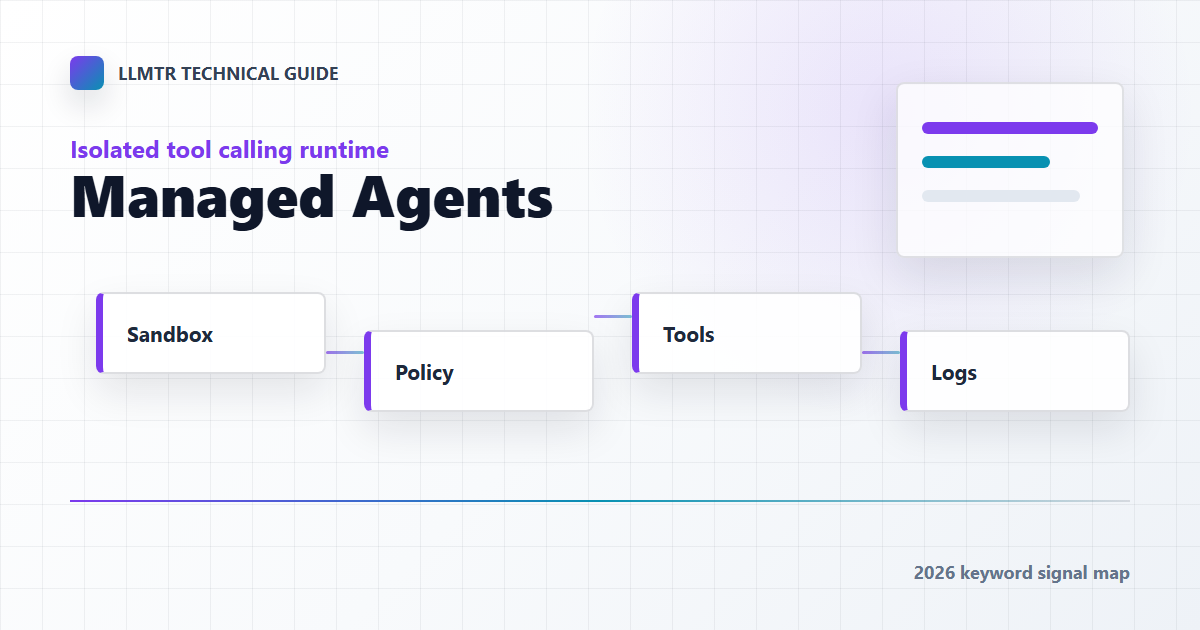
Result searches carry high intent
Public hiring results, ministry application results, and security-officer trends are searches where users want to take action. An AI alert workflow should be fast, but it must not present non-official information as a confirmed result.
The LLM API should explain source changes and next steps, not invent outcomes.
- Use the official institution page as the primary source.
- Treat news sites as secondary signals only.
- Say clearly when results are not announced.
- Do not send personal user data into prompts.
Change detection and summarization
An AI alert system can watch selected URLs through hashes, dates, and title differences. When a change occurs, the model summarizes only the difference.
This reduces cost and avoids summarizing the same page repeatedly.
- Store source URL and check time.
- Do not call the model when the page hash is unchanged.
- Keep the diff summary short and sourced.
- Include the official source link in the notification.
Safe notification language for AI alerts
For public results, notification language should be calm and verifiable. The model should not infer whether a person passed; it should state the page status and where to check.
This provides speed without misleading the user.
- Avoid clickbait notification titles.
- Route users to the official results page.
- Do not generate personal outcome judgments.
- Recommend human verification when uncertain.
Multi-tenant alert cost with LLMTR
When many institutions and listings are monitored, scheduler cost grows quickly. Avoid model calls when sources are unchanged, use fast models, and enforce tenant-level limits.
LLMTR usage tracking shows which alert group generated requests and which provider created the cost.
- Return unchanged sources from cache.
- Apply tenant-level alert limits.
- Tie provider retries to a retry budget.
- Do not persist prompt and response bodies.
Frequently asked questions
Does an AI alert query public results on behalf of the user?
No. A safe design avoids personal data and monitors official announcements or page changes, then routes the user to the official source.
Are news sites enough for result tracking?
No. News can be a secondary signal, but official institution pages should be the primary source for public hiring results.