Agent workflows · 2026-06-14
MCP server and LLM gateway: unify agent tools in one API
As the MCP server becomes the standard for agent tools in 2026, learn to build tool-calling flows with the Model Context Protocol through an OpenAI-compatible LLM gateway, safely and measurably.
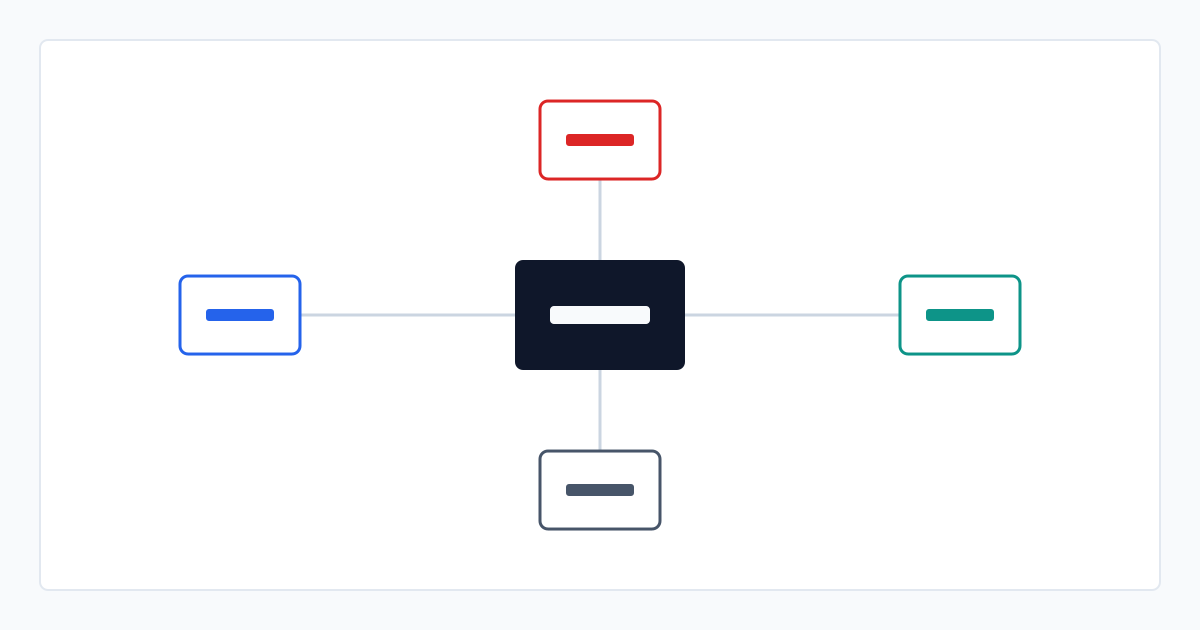
Why did MCP become the standard?
The Model Context Protocol provides a shared interface for connecting language models to external tools. In 2026 major clients and tools support it, so an MCP server written once can work with many agent clients.
This standardization reduces the burden of writing a separate integration per tool; but model calls, permissions, and cost tracking still need a separate architectural layer.
- A tool written once works in many clients.
- Custom integration burden drops.
- Model calls are a separate layer.
- Permission and cost policy is non-standard.
Separate MCP tools from model calls
In a healthy architecture, the MCP server manages tool access while the LLM gateway manages model calls. This separation keeps tool security independent of model selection.
On the LLMTR side, model calls go through one OpenAI-compatible surface, so when the agent switches models the tool side does not need to change.
- Keep tool access in the MCP server.
- Centralize model calls in the gateway.
- Verify tool-calling support per model.
- Keep the tool layer stable across model changes.
Security: permissions, masking, validation
As an agent calls tools, the surface widens. Grant minimum permissions per tool, mask personal data before it enters the prompt, and validate tool output before the final answer.
These controls must be defined explicitly at the application layer; the gateway centralizes model calls and usage, but tool permissions are the application's responsibility.
- Grant minimum permissions per tool.
- Mask personal data before prompting.
- Validate tool output before the final answer.
- Keep audit logs without sensitive data.
Cost and observability
One user message can create several model calls in an agent flow, so cost grows faster than a simple chat. You need a call budget per agent.
LLMTR usage tracking and API key controls make it visible which agent step consumes which model and how much, so optimization relies on data rather than guesswork.
- Set a call budget per agent.
- Use economical models for low-risk steps.
- Route high-risk decisions to human approval.
- Track per-step cost in the usage screen.
Frequently asked questions
Does the MCP server also manage model calls?
No. MCP standardizes tool access; model calls, permissions, and cost tracking are managed in a separate architectural layer.
How do MCP tools and an LLM gateway work together?
MCP manages tool access while an OpenAI-compatible gateway manages model calls; this separation keeps the tool layer stable when you change models.